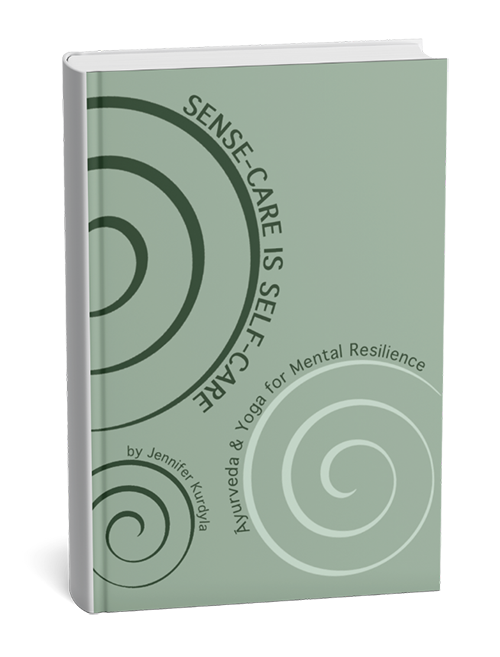
move your mind
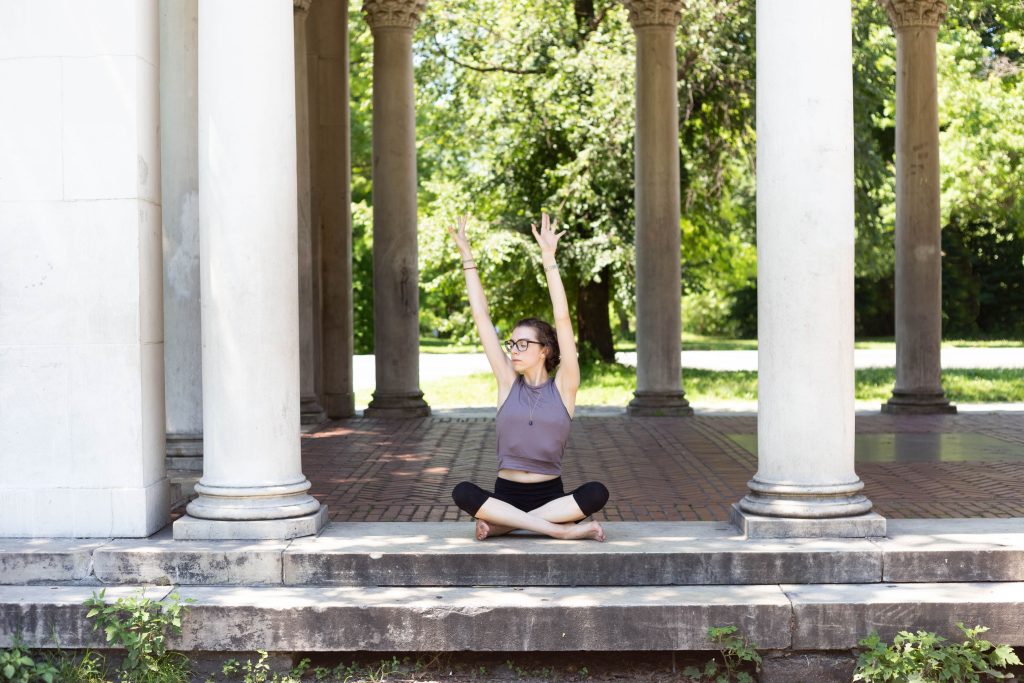
FEELING BETTER IN YOUR MIND STARTS IN YOUR BODY.
Change is hard on the best of days. It’s even harder when you’ve been carrying around months, years, or decades of stress.
Simply “deciding” to feel better isn’t enough.
But meaningful change is possible—even exciting—when your mind can dwell in a container of trust and belonging.
That container is your body.
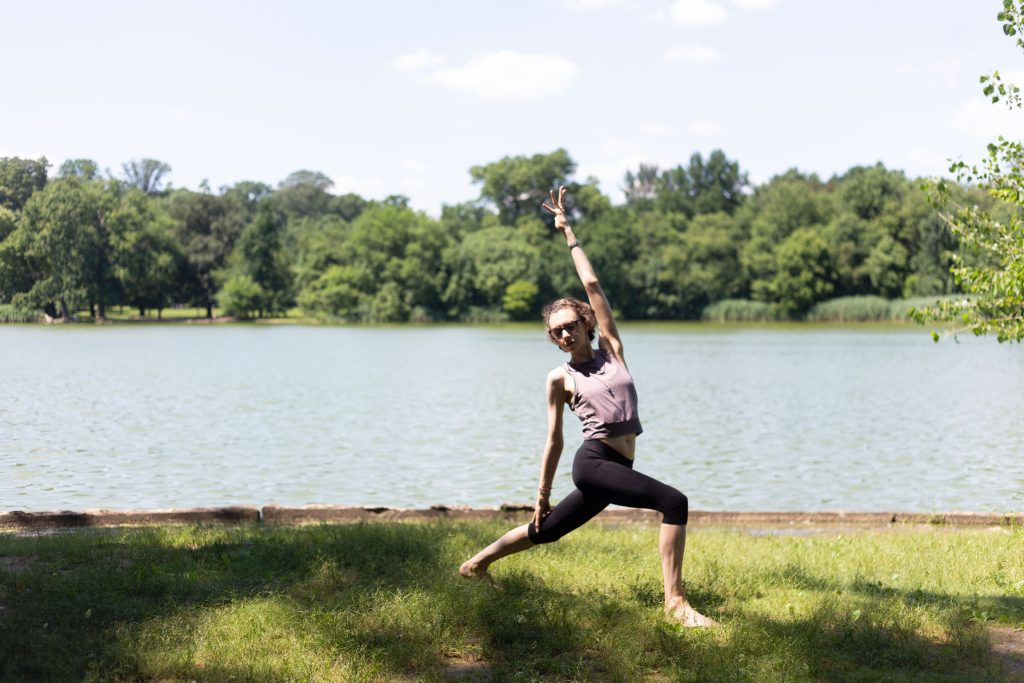
If you’re tired
• of bouncing between trends and traditions, practitioners and specialists
• of tracking and optimizing yourself into exhaustion
• and worrying that you’ll never have or be enough to feel better…
It’s time to stop thinking about feeling better and actually feel better
join me in a movement-centered practice of feeling
soft
…release tension that blocks your innate capacity to heal, rejuvenate, and maintain health
strong
…exert appropriate, progressive effort that deepens the grooves of self-care through repetition and discipline
supple
…move with the waves of life, rather than resisting them
to discover, initiate, and stick with the self-care routines that will keep you in fluid alignment with your long-term health
Are You Ready to Be Moved?

Your Partner in Practice
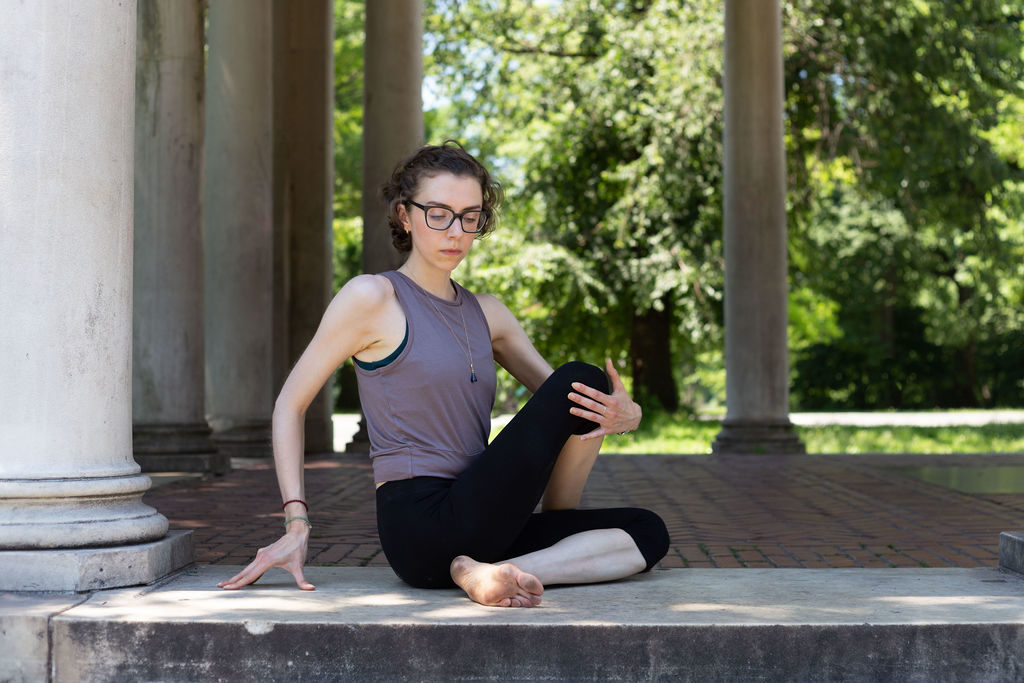
Hi, I’m Jennifer. I’m an Āyurvedic practitioner, herbalist, writer, and life-long mover.
Interweaving the sciences of ancient meditative practices with modern strength-training, my approach to holistic health counseling lays a foundation of nervous system regulation on which we build, experiment with, and refine the changes in diet, lifestyle, and precision medicine you need to improve any and all aspects of your health. If you’ve ever excitedly signed up to work with a practitioner, then felt guilty or ashamed that you couldn’t follow their guidance, my approach closes the gap between intention and action. Rather than just talking about what to do, we put your personal goals in motion in every session. The “movement” we practice isn’t only about exercise—it’s about what moves you. Maybe it’s tapping or rolling, breathing or chanting, flowing or picking up (literal and metaphorical) heavy things. You can practice at your office, on your couch, or on your mat with weights, bands, and āsanas. The more often you feel yourself changing, the more committed you’ll be to sticking with what makes you feel good.
It took me decades to realize that regular movement practices—yoga and exercise, but also walking in the park, dancing, and laying with blankets and sandbags—weren’t only “healthy” unto themselves; they were what allowed me to take bigger risks in how I lived for the sake of my long-term health goals. Movement didn’t eliminate the fear, doubt, or challenge of choosing something different for the first time—or the dozens of times that followed. But there was a current much bigger and stronger than me alone carrying me forward. My work wasn’t so much about the choices themselves, but about keeping the current flowing.
And that’s the work we’ll do together: finding the obstacles to your own flow and softening them, shoring up the banks of that river to direct and harness its power, then keeping the channels open to be constantly inspired and motivated by the movement that enlivens all of us.
Think of it as cross-training for your mind—and of me as your self-care trainer.
The Science of Life Should be Liveable
In my years of sharing Āyurveda, the ancient Indian medical system that means “the science of life,” with clients, their biggest obstacle wasn’t a lack of will power or a desire to feel better. It was lacking a space to practice in their busy lives. When they did it, it worked; but more often than not, life’s many responsibilities and obligations superseded their self-care.
My approach eliminates the barrier to practice by making it liveable. Our sessions put experience before conversation. I’m not doing the practices for or to you; even better, we practice together. You feel the effects in the moment, digest them, and change happens cumulatively—not through force, but through focus and flow.
We’re setting the conditions for the personal protocols—which we implement in small, incremental, doses—that you do on your own to be successful in the long-term. Every session is an opportunity to notice, reflect, and adjust. We spiral in with reverent attention to our bodies, to be able to spiral out into the world with grace, discernment, and resilience.

Practice Moves Us
out of
the externally oriented, thinking space of needing to fill in the blank of “I am _____,”
and into
the internally oriented, heart space of feeling satisfied by “I am.”

Move with Me
personalized sessions
You deserve better than a “package.”
Drawing on Āyurveda, yoga, functional/therapeutic movement, and traditions of herbal medicine, I offer 100% personalized movement-centered health consultations.
Whether you are looking for support with an acute imbalance or injury, a chronic disease, integrating healthy and seasonal routines, nutritional guidance, education on holistic health traditions, or mentorship for your studies/trainings, I can create a custom offering to suit your needs, schedule, and budget.
Please reach out to me directly if you are interested in moving together.
teaching schedule
Join me for live, in-person movement classes in Brooklyn. I also substitute at all of these studios regularly, so please check their websites for when I will be there besides my regular class times.
Mondays, 7:30-8:20 am | Mat Pilates | YogaSole Windsor Terrace
Mondays, 9-10 am | Strength: Flow Yoga | YogaSole Windsor Terrace
Mondays, 12-1 pm | Mat Pilates | The Floor on Atlantic
Wednesdays, 7:30-8:20 am | Mat Pilates | YogaSole Windsor Terrace
Saturdays, 10:15-11 am | Strength Lab | Brooklyn Flow Yoga
Sundays, 5:15-6:15 pm | Foundations of Yoga | Arise Yoga
The Elements of the Practice
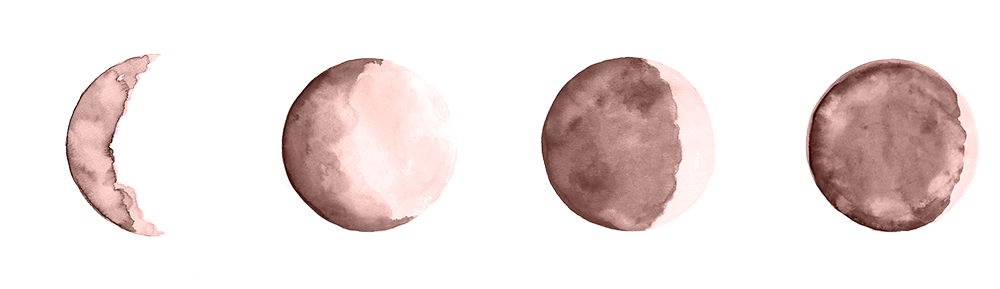
you were made to move
Vedic wisdom says that the whole of our reality manifested from a longing for experience — a powerful movement that now enlivens nature, including you, in the form of prāṇa, or the “life force.” Prāṇa is the cosmic intelligence that keeps the planets orbiting, the seasons cycling, our physical heart beating, our lungs pumping, our muscles twitching, our minds imagining and discerning, and our spirits longing for connection to wholeness; in the microcosm of our individual beings, the main home of prāṇa is in the energetic heart, where the streams of the body, mind, and spirit converge. To stop this movement would be to stop life itself, to deprive the heart of its longing to move and be moved.
But in our overstimulating, productivity-obsessed, and divisive modern times, we experience movement in a more limited way: the fight, flight, or freeze response we’re wired to assume in a state of stress. As a result, our bodies and minds—an inextricable network—feel tight, tense, stiff, and tired. Our minds spiral out—worrying, anticipating, protecting, self-medicating with unwholesome stimuli. We are closed off to the wellspring of prāṇa in our physical and energetic hearts. Re-establishing that connection to flow requires a kind of movement that counters the effects of stress.
This movement isn’t about “exercise” per se—it’s about being in relationship with our dynamic, changing Selves through body-mind integration. Through softening the hardnesses of stress, and building strength through progressive, consistent effort, we can remember the state that is our birthright: flow.
Of all the healing modalities I’ve received and practiced, movement has been my most powerful medicine. At times, it’s also been a poison. But it’s always been a teacher. Movement has shown me my edges, my ego, my porosity, and my potential.
I teach movement in humility, gratitude, and awe for what it has taught me about what it feels like to be alive.
“The heart is wide as a spiral galaxy.”
—The Radiance Sūtras, 22
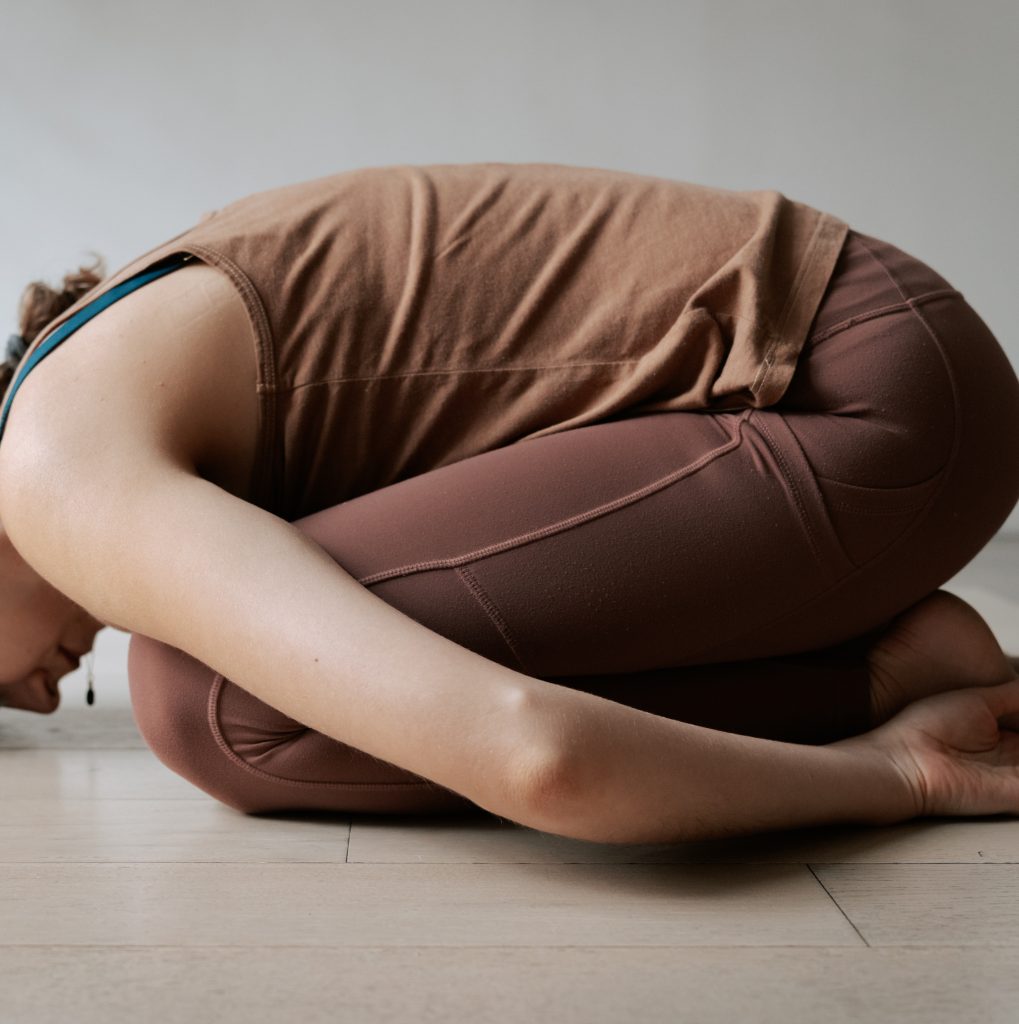
…be soft
release into the supportive hands of your own attention
What does your body do when you’re told to “just relax”? Anything but.
The physiological state of relaxation can’t come about from a thought or decision. It’s an inside job. And while many people assume that meditative practices, including yoga, result in a mind that is “still” or “turned off,” flat-lining our thoughts equals flat-lining our life force.
The first step toward a felt experience of relaxation is changing the qualities of our mental movements through the body—slow, gentle, movement that creates stability through rhythm, not stillness. Think: tapping, shaking, bouncing, rolling, breathing, humming, singing, and all movements of the sense organs (especially tongue and eyes).
Yogic technology and modern science agree that these types of movement support integrated neuromuscular communication and bring vital hydration to the connective tissue called fascia, which helps us know where we are in space and sharpen the lines of our internal map.
From this state, we’re more open to receive and consider information from our environment, trusted friends and advisors (including me!), and, most importantly, our Selves—from the wisdom of the heart. We become more porous: open to change, but discerning about what, why, and how to change.
…be strong
progressively overload your self-care
Our heart is a muscle, and just like your quads and glutes it responds to repeated and novel kinds of challenges.
All forms of “exercise” (cardio, strength, etc.) are essential for the health of our physiological heart, and have been shown to shift our biochemistry toward more presence, calm, confidence, and joy (hello, endorphins!). But there are other kinds of “strengthening” movements to work on the energetic heart: namely, rituals.
Rituals aren’t just witchy spells; they’re any behavior we engage in repeatedly with intention and attention. (Habits, by contrast, often lack attention, and are done “mindlessly” on purpose.) Some of the simplest and most accessible rituals are those that engage the senses. Classical Āyurvedic sense-care, along with your own creative practices, help you get in the “reps” to strengthen your trust in your heart and keep prāṇa coursing through all your channels, especially that of the mind.
Like with any new exercise, at first the reps are hard. Then they’re boring. Then they’re magic—because from inside their stable container, you can experience feeling different in your body.
…be supple
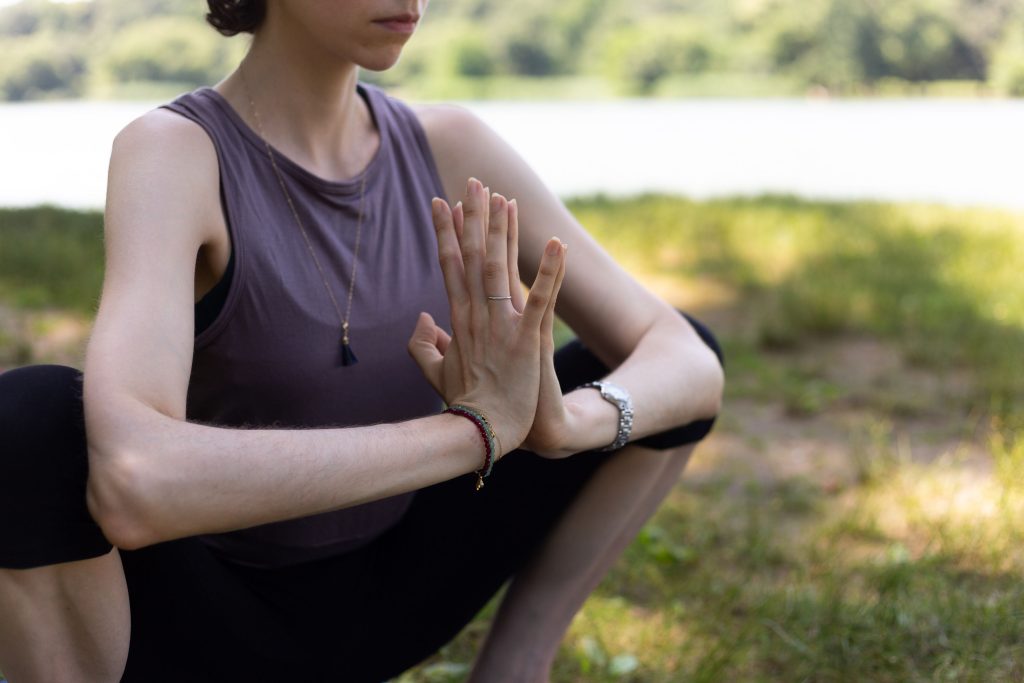
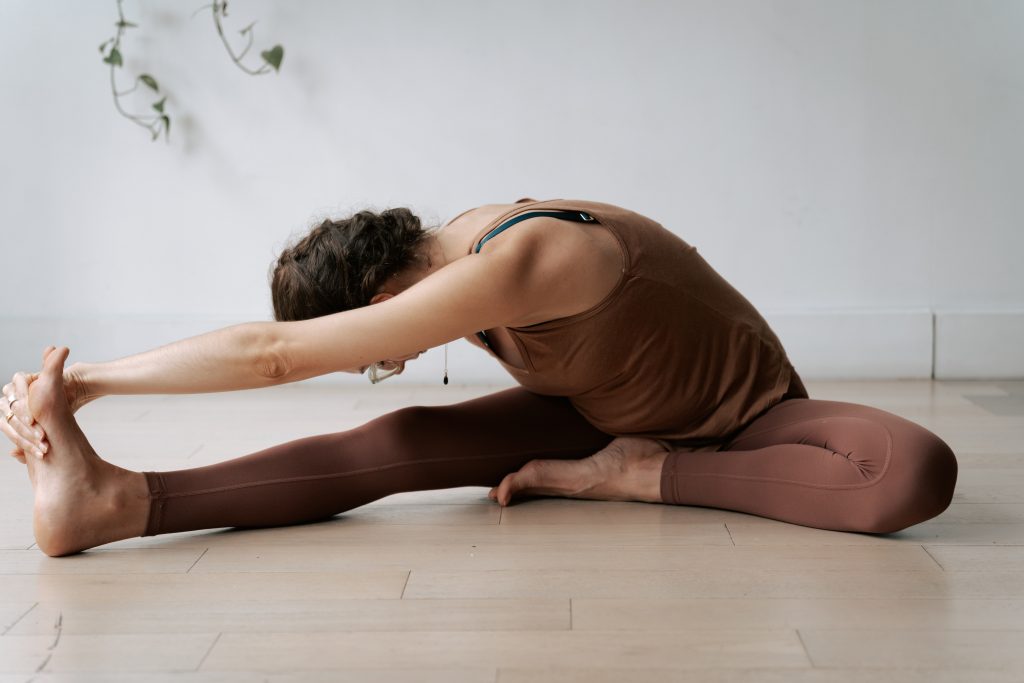
experience all flavors of feeling without breaking or identification
So many (maybe all?) people come to yoga with the goal of being more flexible. They feel stiff, tight, tense, and limited in how they can move through the world.
Flexibility, though, in body or mind, isn’t something that you work on directly. It’s the result of the repeated cycling between softening and strengthening. Being supple in the body often feels like less sensation, but a readiness to move between working hard and resting; a pliability that helps us return to cohesion and homeostasis after exerting effort. Being supple in the mind is similar: a feeling of expansive contentment. We have more “range of motion” in how we engage with the full spectrum of “feelings”—emotions and sensations—from joy to terror, attention to vigilence, excitement to disappointment, longing to satisfaction—as they arise in the flow of life. We experience them all, but we don’t cling to them or claim them as our identity. We can see our options, and choose with discernment and clarity how to act—or not.
This is the definition of yoga: as “skill in action.”
In this state of Yoga, we can finally befriend the mind— grateful for its relentless devotion to our survival and for its capacity to experience. We satisfy the longing at the heart of reality.
Maintaining suppleness isn’t another thing to “do”; it’s a way of being. It’s not a line, but a spiral that expands and contracts with the rhythm of our one Heart. It’s a responsibility to your life force to be present, as much as possible, with what is.
Your mind in your body. Your breath. Your beating heart. You.
Illustrations by Teagan West | Photos by Lydia Billings Photography
- Built using Kale Pro by LyraThemes.